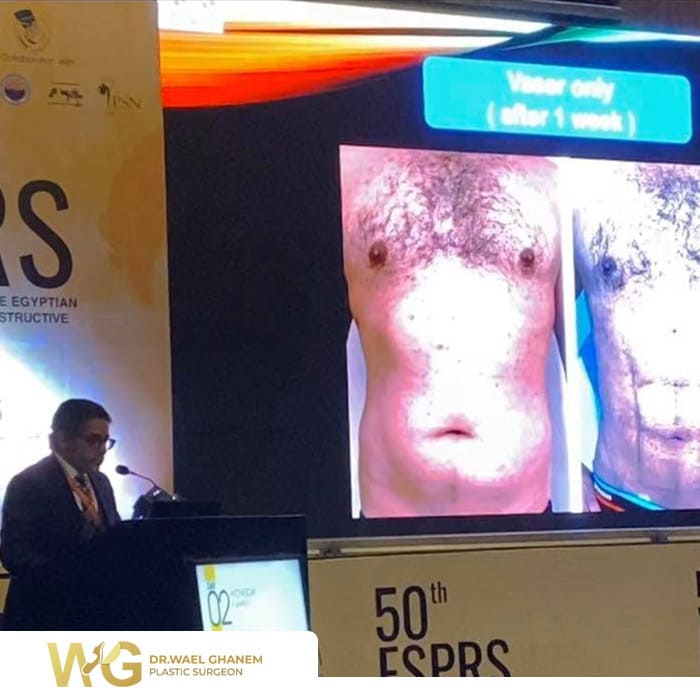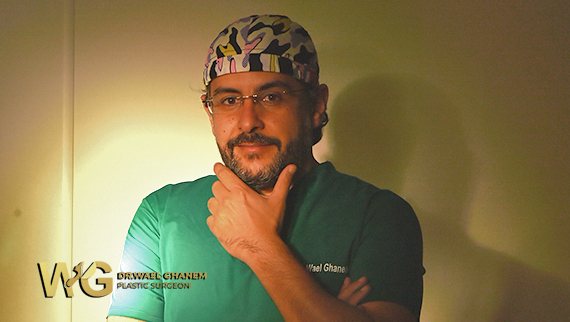


About Prof. Dr. Wael Ghanem
Professor Dr. Wael Ghanem seeks to improve the health and well-being of children and adults by helping them enjoy life with a beautiful appearance crowned with good health.Prof. Dr. Wael Ghanem has treated thousands of infants and children with congenital defects. He has also performed numerous plastic surgeries. He possesses extensive skill and experience in treating cases ranging from simple to highly complex. He provides specialized diagnosis, treatment, and care by applying the most advanced scientific techniques in the world. He also ensures a warm environment for young patients and their families, with continuous communication at every step of the procedure.
Frequently Asked Questions

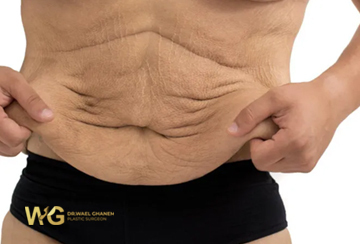
I can't wear my clothes freely and I feel embarrassed because of my sagging skin. Do you suffer from this problem and wonder: What causes body sagging, and what is the solution? If you are experiencing this issue or planning to lose weight, this article is for you. It will help you understand the causes of body sagging and the optimal solution for this common problem.
What causes body sagging?
To answer the question of what causes body sagging, you need to be aware of several factors and try to avoid them as much as possible. These factors include the following:
Aging and senescence: It is natural that as you age, your body's ability to perform its natural functions weakens. The skin loses elasticity, and the tissues and ligaments, responsible for giving the skin a tight appearance, become weaker. The skin loses its ability to produce new collagen fibers, the metabolism slows down, and the body's ability to burn calories decreases, leading to increased fat accumulation.
Long-term weight gain: Weight gain leads to body sagging and fat accumulation. As fat increases, the skin stretches to accommodate this amount of fat. If the skin continues to stretch for a long period, its elasticity weakens, and its ability to return to its normal state decreases.
Significant weight loss: When the body loses weight, whether from muscles or fat, it can return to its normal state more easily when the weight change is mild, and the duration of weight gain is shorter. However, when the body loses a huge amount of weight, the skin sags, especially after losing significant amounts of weight, such as after bariatric surgeries like gastric sleeve, gastric bypass, etc. In this case, the only solution is body contouring surgery.
Environmental damage: Environmental damage includes all external pollutants that the skin is frequently and directly exposed to, which destroy collagen and elastin fibers that make up more than 80% of the skin, especially when exposed to direct sunlight and ultraviolet rays, as well as exposing it to pigmentation and dehydration. It increases the appearance of early aging signs, wrinkles, and fine lines.
Smoking and alcohol: Smoking is one of the causes of aging signs and skin sagging. It destroys collagen and elastin fibers, inhibits the formation of new fibers, and impairs blood flow to the skin, depriving it of nutrients and oxygen. Smoking also damages proteins' chemical content. Similarly, alcohol increases the damage caused by free radicals, which destroy collagen and elastin, accelerating the appearance of sagging. Alcohol acts as a diuretic, depriving the body of water and leading to skin dryness, which contributes to sagging.
Hormonal changes: Although fat cells produce estrogen in women, menopause reduces the ovaries' ability to produce estrogen. With decreased estrogen, the skin produces fewer collagen and elastin fibers, making it less resilient. It also loses its ability to retain moisture easily, resulting in dryness, changes in appearance, and increased susceptibility to sagging.
Genetic factors: Genetic factors determine how the body and the skin respond to weight loss. They also influence the type and quality of the skin and whether it is more prone to sagging than others.
The disadvantages of body sagging:
There are several health problems associated with body sagging, including the following:
• Loss of self-confidence and a bad mood.
• Feeling socially embarrassed.
• Recurring skin infections and rashes.
• Friction and hindered movement.
• Impaired ability to engage in physical activities and exercise.
Methods to get rid of body sagging:
The methods to eliminate body sagging depend on the degree of sagging, as follows:
Mild sagging: You can build muscle mass through regular exercise, maintain a healthy diet, and use collagen creams to improve skin quality.
Mild to moderate sagging: Non-surgical alternatives for body tightening can be used to treat sagging.
Severe sagging: It cannot be resolved without surgery.
Body lift surgery:
Body lift surgeries are surgical procedures to remove excess skin and improve the quality and appearance of the skin. This is achieved by making large surgical incisions in multiple body areas. The procedure is performed under general anesthesia and requires a long recovery period. The duration of the surgery can range from two to five hours, depending on the number of areas being treated. Body lift techniques include the following:
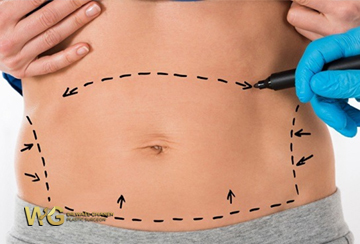
Abdominoplasty (Tummy tuck): This procedure aims to eliminate sagging in the upper and lower abdomen and raise the navel to the middle of the abdomen. It involves making a surgical incision below the abdomen and above the pubic area to remove excess skin and repair weak and separated abdominal muscles.
Lower body lift: This procedure targets sagging in the abdomen, sides, thighs, and buttocks. The surgical incision is made in the lower abdomen, inner thighs, or lower buttocks.
Upper body lift: This procedure addresses sagging in the breasts, arms, and back. It involves making an incision under the armpit and in the back. In cases of severe sagging in the arms, the incision may extend to the elbows.
Mid-body lift: This procedure targets sagging in the inner and outer thighs by making a surgical incision inside at the top of the thighs or in the outer parts.
The recovery period after body lift surgery:
The recovery period can last from 1 to 6 weeks. It is important to take antibiotics and painkillers during this period. Proper care of the surgical incisions is necessary, and wearing compression garments is recommended. Vigorous and strenuous activities should be avoided for up to 6 weeks after the surgery. The extent of body sagging that can be resolved depends on the individual's health condition and personal preferences. The results are permanent and become evident immediately after the surgery.
Non-surgical alternatives for body sculpting:
Several non-surgical alternatives target moderate skin sagging and can last from 6 months to a year. These procedures do not require a recovery period and may only result in minor side effects such as redness and swelling. Sessions and follow-ups are required to maintain the results.
These procedures stimulate the skin to produce new collagen fibers to improve its quality using various techniques, including:
• Platelet-rich plasma (PRP) therapy stimulates tissue healing and collagen renewal.
• Ultrasound body sculpting stimulates collagen production by heating the middle layer of the skin.
• Infrared body sculpting, which heats different skin depths to stimulate collagen production.
• Radiofrequency waves use specially insulated needles to reach specific skin depths, heating them and promoting collagen fiber production for skin tightening and improvement.
In conclusion, after addressing what causes body sagging and learning about suitable solutions for different degrees of sagging, we hope we have provided sufficient answers to all your questions and inquiries. If you have more questions or need further clarification, please contact Dr. Wael Ghanem's plastic surgery and corrective defect center.
Hair transplantation or restoration is one of the most common plastic surgeries, because of its guaranteed and safe results, especially due to the prevalence of baldness among both men and women. What are the results of hair transplantation, and what factors contribute to the success rate of these procedures? Join us as we explore the answers to these questions.
Causes of hair loss:
Several reasons can lead to hair loss, including:
Non-medical causes:
• Stress, shock, and emotional pressure.
• Genetic baldness and hormonal fluctuations.
• Sudden weight fluctuations.
• Incorrect hair styling practices.
• Obsessive hair pulling.
• Accidents, burns, or scars resulting from surgeries.
• Poor nutrition and inadequate protein intake.
Medical causes:
• Polycystic ovary syndrome.
• Hypothyroidism.
• Anemia.
• Heart diseases.
• Scalp infections.
• Hair follicle infections.
• Alopecia and psoriasis.
• Exposure to chemotherapy and radiation for cancer treatment.
Hair transplant procedure:
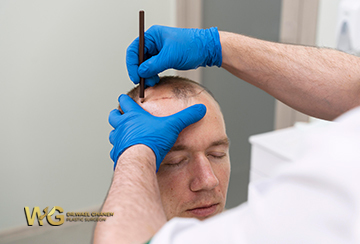
A hair transplant procedure addresses various types of hair loss that result in baldness by extracting hair from the person's head, specifically from areas that are not affected by hair loss, and then implanting it in the areas experiencing hair loss. The procedure is performed under local anesthesia and typically takes 4 to 8 hours, depending on the technique used and the size of the area requiring hair transplantation.
Hair transplant techniques:
Follicular Unit Extraction (FUE): This technique involves shaving a portion of the hair and using a pen-like tool to extract hair follicles from the back of the head and other scattered areas. The recipient area is determined, and after the follicles are extracted, small incisions are made in the receiving area, where the hair follicles are placed. During the healing process, the incisions close, and the scalp returns to its normal appearance without visible surgical scars.
Follicular Unit Transplantation (FUT): Dr. Wael Ghanem shaves a portion of the hair at the bottom of the head using a surgical scalpel. Then, a strip of the scalp is removed in a rectangular or circular shape. The incision is then sutured, resulting in a linear scar that is covered by the surrounding hair over time. The strip is divided into hundreds, or possibly thousands, of precise grafts, between 500 and 2500 grafts, using a scalpel and a microscope. Then these grafts are placed in the hair transplantation areas.
Candidates for hair transplantation:
• Those suffering from hereditary hair loss resulting in baldness.
• Women with thin hair.
• Those with healthy hair with more density on the sides and back of the head.
• Those who have lost hair due to burns, surgeries, or scalp injuries.
The following cases can not undergo this procedure:
• Women experiencing hair loss in multiple areas of the head.
• Those receiving radiation or chemotherapy treatment.
• Individuals who do not have sufficient donor areas.
• Those with thick fibrous scars.
• People with scalp diseases.
Preparing for hair transplantation surgery:
Before the surgery, Dr. Wael Ghanem should obtain all information related to the patient's medical history, including previous hair diseases, overall health conditions, current medications, and any anesthesia-related risks or allergies. Blood tests are requested to assess general health, and it is also recommended to stop taking medications that cause blood thinning, herbal supplements, anti-inflammatory drugs, and aspirin to avoid bleeding. Quitting smoking is also advised, as it impairs healing and inhibits blood flow to the tissues.
Factors ensuring hair transplantation results:
The following factors can determine the likelihood of a successful procedure:
• Hair density in the donor area.
• The bald patches need to be transplanted.
• Scalp flexibility allows easy extraction and transplantation of the designated quantity.
• The desired density for each individual may require a larger quantity of hair and should be carefully studied before the procedure.
Patient expectations are crucial, as hair transplantation results may not always be satisfactory despite the procedure's 100% success rate in some cases, so setting accurate expectations is crucial.
Hair transplantation results:
On the first day after the hair transplantation procedure, The patient may feel some pain, discomfort, and swelling. However, within a few weeks, all transplanted hair may fall out, which is a natural outcome of hair transplantation. Then, new hair starts to grow within 3 to 4 weeks at a rate of half an inch per month. Hair transplantation results appear as follows:
• Typically, the body accepts the transplanted hair grafts at a rate ranging from 95% to 98%. To enhance the results, the doctor may recommend taking oral finasteride or topical minoxidil medication to maintain the results.
• Some minor scars may result from the hair transplantation procedure, depending on the technique used, scalp sensitivity, and the size of the areas harvested from the scalp. However, these scars fade over time, and the hair hides them.
• To further enhance the results, Dr. Wael Ghanem may perform another session, spaced several months apart. Hair transplantation results and the extent of coverage depend on the color, shape, texture, and size of the balding area on the scalp. Coarse, gray, and light-colored hair provide better coverage than dark and fine-textured hair.
Recovery after hair transplantation:
After hair transplantation, the following should be done:
• Take pain relievers to control any pain or discomfort.
• Take antibiotics to prevent infections.
• Avoid strenuous activities or sports for at least 3 weeks, as vigorous activity increases blood flow to the scalp and may cause bleeding in the transplanted areas.
• Attend follow-up visits in the early months and adhere to them.
• Dr. Wael Ghanem may recommend using certain medications and shampoos to ensure hair retention.
• Dr. Wael Ghanem may also recommend plasma sessions after hair transplantation procedures, as they repair damaged cells, rejuvenate the scalp, and make it healthier, allowing healthy hair growth.
Dear reader, these were the results of hair transplantation and the factors contributing to its success. In conclusion, we hope that we have provided sufficient answers to all your questions regarding hair transplantation results and related information. If you have further questions or need more clarification, contact Dr. Wael Ghanem, a plastic surgery consultant and expert in congenital defect repair.
Is breast reduction surgery dangerous? Dear women, are you suffering from the problem of large breasts and wondering about this question? If you are experiencing health problems related to a large breast size or if you want to get rid of the large size that prevents you from wearing your favorite clothes, know the answer of this question and learn about the benefits of breast reduction surgery and how to perform it.
Breast reduction surgery:
Many women suffer from large breasts and want to make their breasts more proportionate to their bodies, which is achieved through surgery in addition to addressing the health problems associated with large breasts. Breast reduction surgery involves removing excess fat and breast tissue. The surgeon may also reduce the size of the areolas and lift the nipples in the same procedure to achieve a youthful and harmonious appearance.
Candidates for breast reduction surgery:
The surgery is suitable for adult women who are experiencing the following health problems due to large breasts:
• Back, neck, and shoulder pain.
• Breathing problems during sleep.
• Chronic skin rashes.
• Constant itching and skin irritation.
• Inability to engage in sports and move freely due to large breast size.
• Difficulty finding suitable clothing.
• Loss of self-confidence due to large breast size.
The following conditions should be met by those undergoing surgery:
• There is no medical history of chronic diseases.
• There are no serious, life-threatening conditions that prevent undergoing surgery.
• The woman's psychological state allows her to decide to undergo breast reduction surgery.
• The woman has reasonable expectations and specific goals for the procedure.
• There are no contraindications for general anesthesia.
Preparation for breast reduction surgery:
Before the surgery, the doctor thoroughly examines the breasts, takes detailed measurements of their size, and requests blood tests to assess overall health and identify any underlying risk factors. The doctor also collects the patient's medical and family history. Additional tests, such as ultrasound or mammography, may be requested. The doctor advises the patient as follows:
• Quit smoking.
• Avoid taking blood thinners, herbal supplements, vitamins, and anti-inflammatory medications.
• Take antibiotics to prevent infections.
• Screen for breast cancer.
• Take breast images for medical records.
• Achieve weight loss and maintain stability before surgery.
How to perform breast reduction surgery?
Breast reduction surgery is performed under general anesthesia in a doctor's clinic or hospital. The following steps are involved:
• General or intravenous anesthesia is administered, and the patient is given intravenous fluids and pain-relieving medications to minimize discomfort.
• Liposuction is performed in cases where breast size is primarily due to fat accumulation.
• Making surgical incisions according to the breast size and the desired degree of breast reduction.
• Getting rid of excess tissue and skin, and reducing the size of areolas if necessary.
• Nipple may be raised in the middle of the breast in cases of breast sagging, and breast tightening may be done in the same procedure if needed.
• The surgeon closes the surgical incisions and applies dressings, bandages, and drainage tubes.
• The patient is monitored for several hours to assess the success of the procedure.
Surgical incisions can be made in several forms, including:
• A circular incision around the areola.
• A circular incision around the areola and a vertical incision beneath the breast crease.
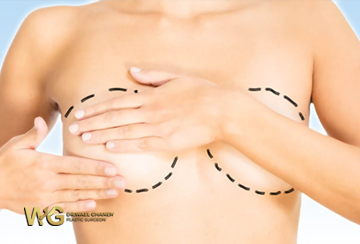
• An anchor-shaped incision that extends from the bottom of the breast horizontally and surrounds the entire circumference of the areola.
Tips for the recovery period after breast reduction:
You must make sure to follow the instructions and guidelines during the recovery period to avoid risks and complications, including:
• Wear surgical bras for the first few days after surgery.
• Wear sports bras for 3 months after surgery and avoid regular underwired bras during this period.
• Avoid smoking for at least two weeks during the recovery period.
• Take pain relievers to manage pain.
• Take antibiotics to prevent infections.
• Avoid putting pressure on the breasts, bending, or raising your arms.
• Avoid alcohol for a week or 2 during the recovery period.
• Sleep on your back to avoid swelling.
• Support your back with comfortable pillows.
• Avoid infection-prone places such as the gym and public bathrooms.
Is breast reduction surgery dangerous?
Although breast reduction surgery is generally safe, there are some risks associated with the procedure if you choose a doctor who lacks sufficient experience and skills. Some of these risks include:
• Scarring.
• Changes in nipple or breast sensation, which may be temporary or permanent.
• Anesthesia risks exist if anesthesia sensitivity is not detected.
• Fluid accumulation under the skin.
• Blood clots.
• Poor wound healing is due to smoking or neglecting wound care.
• Dissatisfaction with the results of breast reduction, so careful selection of the doctor is necessary.
• Excessive reduction of breast size.
• Breast tightness due to excessive reduction.
• Permanent loss of nipple sensation due to nerve damage, so the surgeon must be chosen carefully.
• Temporary pain that can be managed with pain relievers.
• Rare cases of continuous pain.
• Inability to breastfeed naturally due to a lack of breast tissue.
• Deep vein thrombosis if not following post-surgical walking and wearing surgical bras.
• Infection due to the use of non-sterile instruments during surgery.
• Fat and skin death, also known as fat and skin necrosis, is due to smoking, which impairs healing.
• Possibility of needing follow-up surgery due to dissatisfaction with the results.
Benefits of breast reduction surgery:
After completing the breast reduction surgery, you can immediately notice the results, and the results gradually improve during the first three months. Some benefits of breast reduction surgery include:
• Getting rid of back and neck pain.
• Getting rid of the appearance of indentation marks from bra straps on the skin.
• Getting rid of skin rashes and infections.
• Increased self-confidence and self-satisfaction.
• Wearing clothes freely and feeling more attractive.
• Eliminating one of the risk factors for breast tumors, as it has been proven that the greater the amount of breast tissue, the more susceptible it is to tumors.
In the end, dear reader, after we answered the question: Is breast reduction surgery dangerous, and what are the features and benefits of the surgery? We hope we have provided sufficient answers to all your questions and inquiries. Contact Dr. Wael Ghanem's center if you have more questions or need further clarification.
Facial liposuction surgery aims to eliminate excess fat in the face, particularly fat under the chin. Since the face is a delicate area that requires precision and caution, some individuals may prefer to undergo the procedure under general anesthesia and may feel anxious about local anesthesia. So, what type of anesthesia is used in facial fat removal surgery, and when is local or general anesthesia utilized? Let us find out in the following paragraphs.
Facial liposuction:
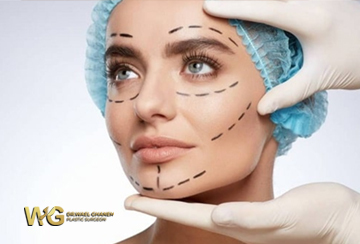
Facial liposuction is a procedure that targets the elimination of facial fat that is difficult to get rid of through exercise, especially since facial fat reduction exercises often do not cause the desired results. More precise techniques are used to remove fat in the face due to the specific distribution of fat in areas such as under the chin or cheeks. Sometimes, the procedure may also address the face and neck together.
Who can undergo facial liposuction?
Both healthy adult men and women who have attempted to lose excess weight but still have accumulated fat around the face and under the chin can undergo facial liposuction. The following conditions must be met by individuals undergoing the surgery:
• Their health must be stable, without diseases that may complicate the surgery or lead to complications.
• They should be within their normal weight range.
• There should be no health condition that may cause complications or complexities.
• They should not have undergone a previous facial procedure.
• There are no health issues, such as heart diseases, poor blood flow, or immune system disorders.
• They should not be smokers or should quit smoking within the period specified by the doctor.
• They should have specific and acceptable goals regarding surgical outcomes.
• Their psychological state should be stable enough to decide to undergo surgery.
Anesthesia in facial liposuction:
It is natural for the face to contain minimal fat. Therefore, the type of anesthesia used in facial liposuction is local anesthesia. General anesthesia is only used when removing significant amounts of fat from other areas of the body simultaneously with facial liposuction. General anesthesia can also be used if the individual prefers to undergo the procedure while unconscious to alleviate any anxiety.
Facial liposuction techniques:
There are several techniques for facial liposuction, and because the face is a delicate area that requires more precise tools and cautious handling, newer techniques are more suitable for facial liposuction than traditional techniques. These techniques include the following:
1. Liposuction with VASER or Ultrasonic Waves:
Anesthesia in facial liposuction with VASER is usually local anesthesia, but it can also be performed under general anesthesia according to the individual's preference. Ultrasonic waves selectively dissolve fat without approaching other tissues and causing damage, such as nerves and skin. This technique is characterized by its moderate temperature, which gently melts the fat, targets precise fat layers, sculpts the skin, and releases vibrational oscillations that break down and move the fat precisely. It has fewer side effects, faster procedure completion, and less surgical intervention.
In this technique, the incisions are minimal, usually not exceeding half a centimeter. The incisions are injected with fluids that facilitate easy fat emulsification and make the fatty tissues easier to melt with heat. The doctor then uses special needles or a liposuction pump to remove the fat from the face, and the incisions are closed. Heat also tightens and sculpts the skin during the same procedure and stimulates the production of new collagen fibers. Therefore, VASER liposuction is known for its high-definition fat suction.
2. Laser-Assisted Liposuction:
Anesthesia in laser facial liposuction can be local or general. The laser device emits high-temperature light that converts the fat beneath the skin into an oily emulsion. However, the heat produced from the laser may cause more side effects than VASER, unless the procedure is performed by a highly skilled and experienced doctor. Laser-assisted liposuction is known as smart liposuction because the laser heat helps the skin produce collagen fibers that improve skin quality during the same procedure.
3. Manual Liposuction:
This procedure involves injecting the incisions with special fluids that dissolve the fatty tissues. Then, the doctor inserts a liposuction tool beneath the skin and moves it back and forth to break down the fat. The fat is then extracted using needles or a liposuction device. This method is one of the traditional techniques capable of removing large amounts of fat, but it requires more time and may result in skin laxity due to its manual nature.
4. Conventional Liposuction:
In this procedure, a special cannula is used, which is inserted through the incisions. The doctor breaks down the fat by moving the cannula back and forth, and then the body is emptied of the fat. The incisions are closed, but this technique has more side effects than modern techniques. If the skin has bad quality, it may result in skin laxity. It can be performed under local anesthesia in most cases.
After emptying the body of fat, the incisions are left open to drain the fluids resulting from the surgery and blood. During this period, the medical staff monitors the patient's health, and the patient can return home the same day after his condition stabilizes.
The difference between liposuction with local and general anesthesia:
There are several differences to know about anesthesia in facial liposuction before undergoing surgery, including the following:
• Local anesthesia requires less recovery time.
• General anesthesia is more expensive than local anesthesia.
• Local anesthesia does not cause the same side effects as general anesthesia, such as decreased concentration, nausea, or dizziness.
• General anesthesia requires complete rest a day after the surgery, while local anesthesia only requires a few hours.
• Driving is not allowed on the way home after surgery, whether the surgery is performed under general or local anesthesia.
• In the case of general anesthesia, fasting from food and drink is required for a full night, while local anesthesia requires fewer hours.
What are the risks of local anesthesia in facial liposuction?
There are no risks resulting from anesthesia in liposuction related to the operation itself or anesthesia. However, there are risks resulting from the lack of experience of the anesthesiologist, as in any other surgical procedure. These risks include incorrect needle insertion leading to injury, improper dosage adjustment, or administering a lower dose than required, necessitating additional injections. Local anesthesia in facial liposuction is performed in multiple layers gradually until the entire suction area is anesthetized, and it is important to choose a reputable surgical center to avoid such problems.
Important guidelines before and after facial liposuction:
Before facial liposuction:
• Remove any makeup, skincare products, accessories, jewelry, or perfumes from the face.
• Avoid shaving or removing hair from the face on the night of the surgery to prevent infection.
• Take antibiotics before and after the procedure to prevent infections.
• Avoid taking blood-thinning medications such as aspirin.
• Quit smoking for two weeks before and after surgery.
• Avoid consuming alcohol for at least a week before and after surgery, as it interferes with anesthesia.
• Ensure a full understanding of alternatives, outcomes, techniques of the procedure, side effects, and how to avoid complications.
After facial liposuction:
• Complete rest after the surgery.
• Gentle movement in the early days to avoid leg clots.
• Take prescribed pain relievers.
• Care for surgical incisions to protect them from contamination and drain fluid.
• Keep the head elevated above chest level to reduce swelling.
• Eat healthy food and drink plenty of water.
• Avoid sodium in the diet to prevent increased swelling.
In conclusion, after learning about anesthesia in facial liposuction, its types, risks, and when it is used, we hope we have provided sufficient answers to all your questions and inquiries. If you have further questions or need more information, do not hesitate to contact the center of Dr. Wael Ghanem.
The expected satisfaction from hair transplant surgeries may exceed the expectations of many individuals undergoing various hair transplant procedures. Feeling anxious is an instinct, and fear and anxiety about the failure of hair transplant results may persist for many people until they see the results. Therefore, it would be beneficial and reassuring to learn together about the causes of hair transplant failure and how to avoid them.
Hair Transplant Procedure:
The hair transplant procedure is performed for individuals experiencing hair loss or baldness who wish to increase hair density and eliminate baldness. It can also be performed for those who want to increase facial hair density, such as in the beard, mustache, and eyebrows. The procedure is carried out using various techniques and is considered a successful and commonly performed cosmetic procedure.
Hair is harvested from stable areas of the scalp or body, known as donor areas. Then, the hair is transplanted into the recipient area that requires hair transplantation. During hair transplantation, the hair survives at a rate of 90%, and the procedure does not require extensive recovery time. It is performed under local anesthesia. In most cases, it does not require more than one session.
Causes of Hair Transplant Failure:
1- Lack of doctor experience:
A doctor may be a skilled surgeon with numerous successful surgeries but in other types of surgeries. Therefore, when choosing a doctor, you must be sure that the doctor has experience with the same procedure. Hair transplant surgery is a highly precise procedure that requires an experienced doctor to complete it with a high degree of accuracy by selecting the appropriate type, color, size, and density of hair and placing it in the correct locations that align with the angle and direction of hair growth.
Experienced doctors are less likely to make mistakes in determining a safe donor area with sufficient stability. Choosing the wrong donor areas is one of the most important reasons for hair transplant failure because the wrong choice will result in reversed outcomes and eventual hair loss.
The areas that have priority among the donor areas are the back of the scalp and behind the ears, followed by the beard and chest in men. Hair can also be obtained from other body areas, such as the thighs and arms, especially in beard, eyebrow, and mustache transplantation. By choosing the appropriate areas, the results will be completely natural.
Another crucial mistake made by inexperienced doctors is excessive extraction of hair follicles from the donor areas, leading to scarring, complete hair loss, and loss of the donor areas. Also, excessive harvesting of grafts can result in hair loss in other areas, causing new gaps in the scalp that make the hair appear unnatural.
Therefore, when choosing your doctor, ensure his years of experience in the same type of procedure and review the previous experiences of other individuals.
2- Inadequate post-surgical hair care:
The recovery period after any procedure is as important as the procedure itself, and a significant part of the success of the surgery depends on post-surgical care, especially after hair transplant surgery. One of the common mistakes some patients make is neglecting their hair care and ignoring the doctor's instructions regarding the recovery period. Dr. Weal Ghanem advises his patients to:
• Avoid friction and scratching of the scalp.
• Adhere to scheduled hair washing to prevent uncleanliness and hair loss, which can cause permanent damage to the scalp.
• Avoid exposure to sunlight during the recovery period.
• Avoid engaging in exercises that cause sweating.
• Drink plenty of water to enhance the blood supply to the tissues and ensure a faster recovery.
• Administer the prescribed medications to maintain the surgical results.
• Adhere to the hair care products and cleansing routines recommended by the doctor.
• Quit smoking during recovery, as it hinders blood flow to the tissues and impedes healing.
3- The person is not a good candidate for surgery:
The main reason for the failure of hair transplantation is the inaccurate selection of candidates. Hair transplantation is not suitable for everyone, and the skilled doctor informs the patient about all the health conditions that prevent him from undergoing surgery. Proper surgical preparation can be achieved by the doctor ensuring the following:
• A detailed medical history of the patient.
• Complete information about the patient's genetic traits.
• Precise blood tests and scalp tissue examinations.
These simple procedures can easily determine whether the person is an ideal candidate or not. In some cases, a person may experience a degree of hair loss that may not qualify him for the procedure, and non-surgical treatment may be sufficient, as the surgery could lead to unnatural results unless the hair loss is severe.
If the doctor decides to perform the surgery despite ongoing hair loss and instability, it may result in hair loss from different areas of the scalp, with only the transplanted area appearing denser than other areas and giving an unnatural appearance.
The surgery should not be performed if there is not an adequate amount of hair available on the scalp or in other donor areas. When hair follicles are harvested from the donor areas, they do not regrow, resulting in severe thinning in the back of the scalp.
The underlying cause of hair loss should be taken into consideration. For example, hair loss resulting from psychological trauma and stress is usually temporary, allowing the patient to avoid surgery because the hair will regrow later. Surgery can be considered if there is insufficient hair growth.
4- The doctor's dishonesty:
One important consideration is choosing a reputable surgical center. Many centers may not have a sufficient level of trustworthiness in terms of health and delivering satisfactory results. Some places may prioritize profit and commercial interests, promising a certain number of grafts but failing to meet the agreed-upon results.
Hair transplantation is an expensive procedure, and since the cost depends on the number of grafts to be transplanted, it is important to choose a reputable center. Determining the number of grafts is difficult for the patient to verify, and as a result, the patient may not achieve the desired results and spend his money in vain.
5- Misunderstanding:
Misunderstanding is not a direct cause of hair transplantation failure but is a common issue. After the surgery, when the hair starts to shed, many people believe that the procedure has failed and that the scalp did not respond to the transplanted follicles. However, this is completely normal due to the shock phase, where the hair starts to shed and is eventually replaced by new hair. The doctor should explain this to the patient and advise him on how to deal with it.
6- Incompatibility of the grafts with the scalp:
One of the reasons for the failure of hair transplantation is when the hair follicles obtained from the donor areas are not compatible with the scalp or its genetic composition. This condition usually happens when hair follicles are extracted from different body areas. It is a hidden factor that is only determined by experience and practice.
7-Previous medical conditions:
Certain medical conditions can cause total or partial hair loss and can also be genetic. Autoimmune disorders such as lupus and its various forms are among the conditions that some doctors may avoid mentioning. Therefore, it is important to know the underlying cause of hair loss and determine if the hair will fall out again or not, instead of paying for a surgery with uncertain results.
8- Improper placement of hair follicles:
An inexperienced doctor may place hair follicles at an incorrect depth or direction, causing some follicles to lose the opportunity for natural growth, dry up, and eventually detach from the scalp.
9- Aging and senescence:
Although the results are permanent, it is natural for hair to thin and decrease in density with age and fluctuating hormone levels, especially if there is a genetic history of hair loss.
How can hair transplantation results be guaranteed?
Hair transplantation results can be ensured by avoiding the causes of failure, choosing a reputable doctor and surgical center, reviewing previous surgical results performed by the doctor, taking the preparation period seriously, and having a comprehensive care team. It is also important to be cautious about excessively low costs that raise suspicions.
In conclusion, dear reader, after exploring the causes of hair transplantation failure and how to avoid them, we hope we have answered your questions. If you have any further questions or need more clarification, please don't hesitate to contact Dr. Wael Ghanem's Center for plastic surgeries and corrective procedures.

Testimonials
Dr. Wael Ghanem, thank you. Yo...
Dr. Wael Ghanem, thank you. You are a highly respectable person and an incredibly skilled doctor. If all doctors were like you, the medicine would change in Egypt. Really, you are doing great work. Mona Sultan
The results of the surgeries s...
The results of the surgeries show your excellence. May God bless all your surgeries and grant you success. Iman Abbas
May God grant you continuous s...
May God grant you continuous success, God willing. Charmante kamelia
The best plastic surgeon in Eg...
The best plastic surgeon in Egypt, who treats patients with utmost respect and kindness. May God reward him with all the best. كلي أمل
Dr. Wael is an excellent perso...
Dr. Wael is an excellent personality, and I thank God for the opportunity to meet and communicate with him. He is currently treating my son, and I pray that God grant him and lead him to continued exc... محمد عمر جبريل
Dr. Wael is one of the best pl...
Dr. Wael is one of the best plastic surgeons in Egypt. I wish him continued success and prosperity. Ayman Naiem kreashapy
Dr. Wael is a highly respectab...
Dr. Wael is a highly respectable person. May God bless his health and grant him success and always progress. جنى جوحو
Meeting Dr. Wael was wonderful...
Meeting Dr. Wael was wonderful. He has a friendly personality. May God increase his blessings. Mohamed Saleh
One of the best doctors and tr...
One of the best doctors and truly a professional surgeon. Dr. Wael, thank you very much. Aseel Gharaibe
Dr. Wael is a very respectful ...
Dr. Wael is a very respectful doctor, and he is dedicated to his field. May God bless you, doctor, and may you reach higher ranks. This testimonial is based on my personal experience with the best doc... ميرو محمود
May God grant Dr. Wael all the...
May God grant Dr. Wael all the best and bless the team responsible for his official website. وليد يحيى الشريف
I don't know what to say to yo...
I don't know what to say to you, Dr. Wael, except may God bless you. You are the best plastic surgeon I have ever dealt with. Moha Toma
Seriously, a highly respectabl...
Seriously, a highly respectable and impressive personality. I'm happy to deal with you, and I trust leaving my daughter in the hands of such a trustworthy person. May God bless him and grant him conti... Kenzy Mohamed
Really the result was much bet...
Really the result was much better than our expectations. Dr. Wael is an excellent doctor, and may God increase his success. The prices are also very reasonable. Khalid Abdelmotalab
May God bless him and bless hi...
May God bless him and bless his knowledge. I always pray for him. He is a truly respectable man. Nady Nady
May God grant Dr. Wael success...
May God grant Dr. Wael success upon success. I truly love you. محمد إسماعيل الشامي
You are excellent in your fiel...
You are excellent in your field. I wish to have surgery with you, but I'm waiting to finish my son's surgeries. But really, you are exceptional in your field. May God bless you. It would be great if y... ام يحيي
Wishing you success always, Go...
Wishing you success always, God willing. Hend Fathy
Thank you, Doctor, may God rew...
Thank you, Doctor, may God reward you with all the best, protect you, and may God bless you, Doctor. Neven Labib
Good luck Doctor, and may God ...
Good luck Doctor, and may God give you health, bless you in your work, and increase your knowledge. قرآني طريقي
Free Consultation